
What Is Coalition Building? A Practical Guide for Economic Development Partnerships
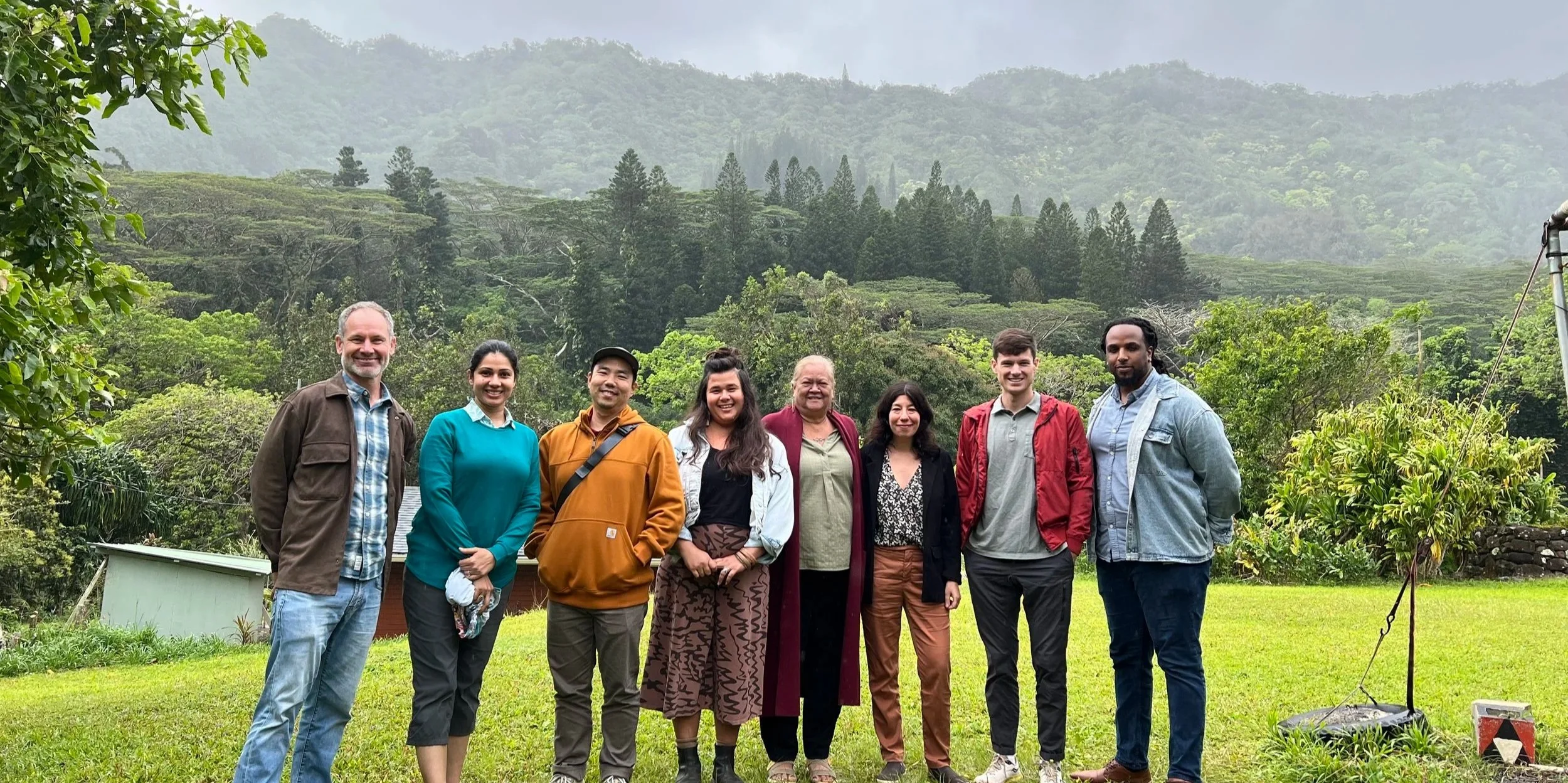
Pictured above: Swati Ghosh and Cuevas Peacock (NGIN) with Economic Partnership Alliance participants in Hawaii during a partnership facilitation session.
Coalition building is the process of uniting organizations with different mandates—community-based organizations, economic development organizations, local government, anchor institutions, employers, and philanthropy—into a durable partnership that works toward a shared economic goal no single member could reach alone.
In economic development, strong and sustainable cross-sector partnerships have moved from a nice-to-have to a core discipline. The problems that economic developers are now asked to solve, from economic mobility to small business growth, to housing and transit, cut across too many institutions for any one of them to solve independently. This guide covers what economic development coalition building involves, why it matters, and how practitioners make coalitions last.
What Is a Coalition?
A coalition is a group of organizations that agrees to work together, over time, toward a specific shared outcome. Coalition building is every step it takes to form the group and keep it working: identifying the right partners, agreeing on the goal, defining roles, and maintaining trust as conditions change.
The term travels with several near-synonyms—alliance, collaborative, partnership. The distinction that matters is depth. A network shares information. A coalition binds multiple organizations, often with very different incentives, to a common agenda with shared accountability. That is why the primary focus of coalition building is not convening meetings; it is producing shared outcomes that survive staff turnover, election cycles, and the end of any single grant.
Why Coalition Building Matters in Economic Development
For decades, economic development largely meant business attraction: land, incentives, and business recruitment. That work continues, but the field's center of gravity has shifted toward building economic opportunity in place—growing small businesses, strengthening commercial corridors, connecting residents to quality jobs. None of those outcomes belongs to a single institution. They live in the space between community-based organizations (CBOs), which hold trust and knowledge of their neighborhoods, and economic development organizations (EDOs), which hold capital relationships and regional influence.
Coalition building is what turns that gap between CBOs and EDOs into a working relationship. Done well, a coalition becomes durable civic infrastructure: steady during uncertainty, flexible when conditions change, and able to deliver value long after a single grant cycle ends. Done poorly, it becomes a standing meeting that produces momentum for a year and quietly dissolves when a champion leaves.
The Four Building Blocks of Durable Coalitions
What separates the coalitions that last from the coalitions that fade? The Economic Partnership Alliance Playbook—built from the practical patterns of 24 coalitions across the country—identifies four building blocks.
Trust. Not warm feelings, but "the repeated and predictable experience of partners doing what they commit to do, even under difficult conditions." Trust is built in short cycles: partners make a 30-to-60-day commitment, keep it, and repeat.
A shared narrative. A coalition needs one story it tells about itself—a narrative that keeps members aligned through disagreement, gives the work public legitimacy by acknowledging local history, and makes the investment case to funders and policymakers.
Facilitation and project management. Someone has to run the coalition as a body of work: convening partners, pacing decisions, resolving conflict, and writing down what was agreed. Coalitions rarely fail for lack of vision; they fail for lack of process.
Operational discipline. Governance protocols, a predictable meeting cadence, documentation, and mechanisms for adapting when circumstances shift. As the Playbook puts it: "Durability does not come from a single decision or the launch of a promising project. It comes from repetition."
How to Start Building a Coalition
Every coalition is shaped by local context, but the early moves are consistent:
Define the problem in specific, local terms. "Grow our economy" recruits no one. "Fill the vacant storefronts on our east-side corridor with resident-owned businesses" does.
Recruit the full mix of mandates. A core group should span community organizations, economic development organizations, and government—plus the employers or funders the goal requires. Missing mandates become missing capacity later.
Start with small commitments and keep them. Trust comes from follow-through, so make the first commitments ones every partner can honor within 30 to 60 days.
Invest in facilitation early. Name who convenes, who documents, and who keeps the pace before the first hard disagreement, not after.
Document the coalition so it can outlive its founders. Write down purpose, roles, agreements, and deliverables. The Coalition Continuity Framework exists for exactly this step—it keeps work moving through leadership changes, and gives every incoming leader a clear way to step into responsibility with confidence.
Coalition Building Examples
The Alliance Playbook documents nine city coalitions in depth. In Detroit, partners aligned around structured collaboration to revitalize commercial corridors and pioneer alternative approaches to filling storefronts. In Bangor, Maine, a rural coalition built a regional workforce and entrepreneurship hub on a foundation of deliberately structured trust. In Shreveport, six partner organizations built a shared platform to organize their tools and track progress toward regional economic mobility. Each story shows the same building blocks applied to a different local reality—you can read the full case studies here.
Coalition Building FAQ
What is an example of a coalition? A city coalition for economic opportunity might bring together a community development corporation, a regional economic development organization, city government, and a local funder around one goal—such as revitalizing a commercial corridor. The nine communities in the Alliance Playbook's case studies are all working examples.
What is another word for coalition building? Practitioners also say alliance building, partnership development, or collaborative or cross-sector partnership work. The label matters less than the substance: multiple organizations, shared goal, shared accountability, built to last.
What is the primary focus of coalition building? Producing outcomes no single organization could achieve alone—and building the trust, narrative, process, and structure that keep partners delivering together over years, not months.
Coalition building is learnable, and you don't have to start from a blank page. The Core Insights section of the Alliance Playbook breaks down the four building blocks in practical detail, and the Coalition Continuity Framework gives your coalition its foundation document. Start there.