How Communities Can Attract, Direct, and Deploy Investment for Shared Economic Prosperity
Insights from Cityscapes Summit 2026 Session: Unlocking Capital: Building Community Investment Ecosystems on Main Street
By: Cuevas Peacock, Senior Advisor - NGIN
For decades, community development practitioners have focused on making their places attractive to capital through revitalizing commercial corridors, supporting local businesses, activating public spaces, and creating a compelling vision for the future. Then the investment arrives, and something unexpected happens: the neighborhood changes, but not always for the people who helped make that transformation possible.
It's a pattern familiar to communities across the country. The work of placemaking creates value, but when capital begins to flow, too often the benefits flow elsewhere. As one practitioner put it, "Investment happens to you, not with you or for you."
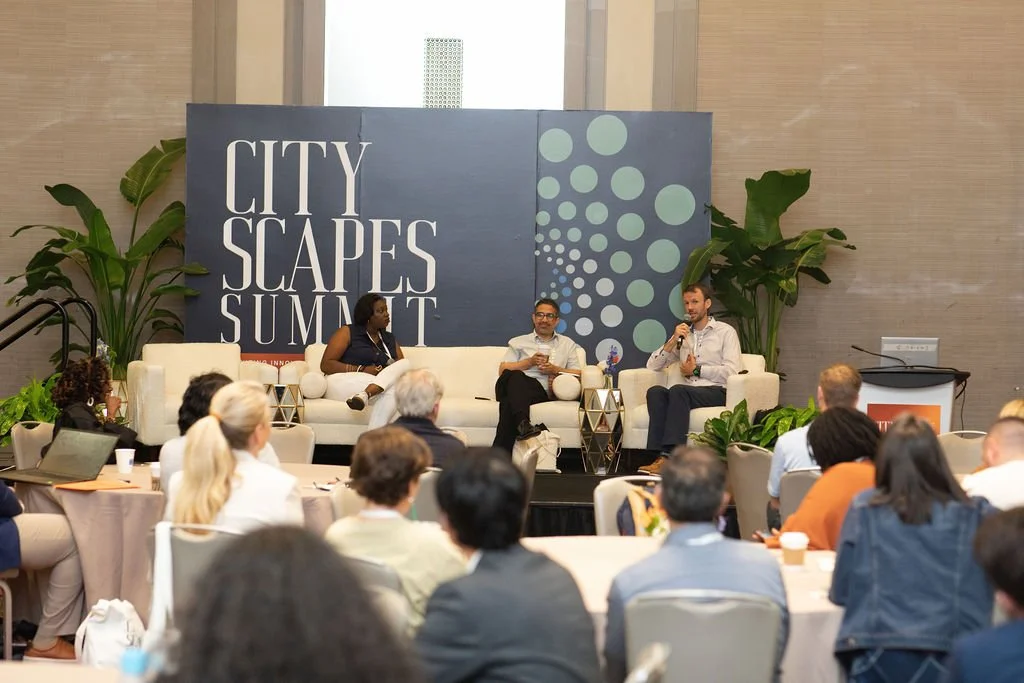
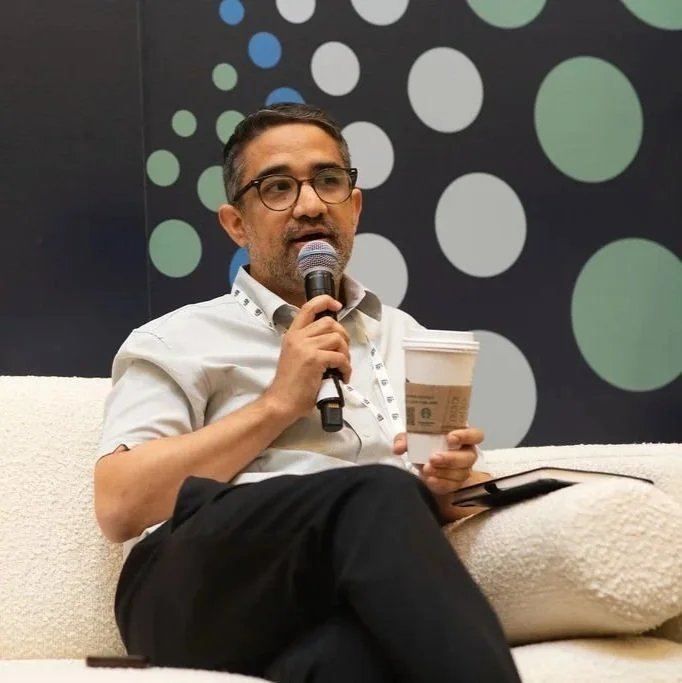
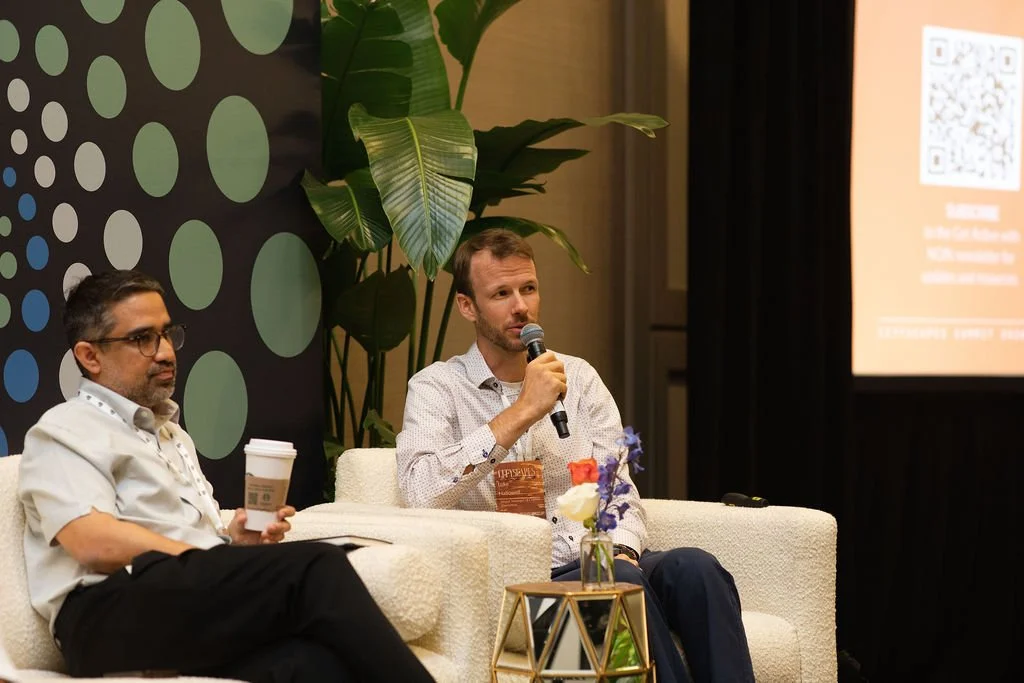
A growing number of organizations are working to change that dynamic. At this year's Cityscapes convening, Luke Hallowell of Main Street America, Omar Carrillo Tinajero of the Center for Community Investment (CCI), and LeShawn Farmer of the River District Association in Danville, Virginia explored how the Capital Absorption Framework can help communities move from passive recipients of investment to active participants in shaping it in their session Unlocking Capital: Building Community Investment Ecosystems on Main Street.
Capital Absorption Is About More Than Attracting Investment. It’s About Who Benefits.
At its core, capital absorption is a community's ability to attract, direct, and benefit from investment in ways that align with local priorities. The framework recognizes a reality many communities know well: attracting investment is only half the challenge. The real question is whether residents, local organizations, and local leaders have the capacity to influence where that investment goes and who benefits from it.
The framework centers on three interconnected functions:
-
Communities need more than a collection of projects. They need a clear vision that residents, institutions, local government, and partners can rally around. Shared priorities create alignment and give capital somewhere intentional to land.
-
Lasting transformation rarely comes from a single catalytic project. Communities need a pipeline of opportunities that advances a broader vision while revealing the barriers that stand in the way. While these pipelines often include buildings, redevelopment sites, and business ventures, they can also include entrepreneurs and local businesses at different stages of development from startup to sustainability to growth. Mapping these opportunities helps communities align technical assistance, capital, and partnerships where they are most needed. Making the pipeline visible also builds accountability, signals long-term commitment, and helps partners understand how individual projects and businesses contribute to a larger vision for the community.
-
As projects move forward, patterns emerge. The barrier may be zoning, access to patient capital, technical assistance, permitting, or policy constraints. Addressing those barriers creates conditions for many projects to succeed, not just one.
Together, these elements form the infrastructure that allows communities to move from reacting to opportunity to shaping it.
Danville's Example: Starting With Community, Not Capital
One of the most compelling examples came from Danville, Virginia. Rather than beginning with a building, a development deal, or a funding opportunity, the River District Association started with residents. Working in North Main, a gateway neighborhood that had long been overlooked, they held listening sessions, attended community gatherings, and met people where they already were.
Across conversations, surveys, and community meetings, the same priority repeatedly surfaced: a food hub.
Residents envisioned a place where local farmers and food entrepreneurs could process, package, and sell products while building sustainable businesses. Instead of replacing that vision with an outside expert's idea, the organization brought in technical expertise to help residents translate their aspirations into a viable project.
Only then did they identify the capital needed to move the vision forward.
What began as a conversation about food access evolved into a multi-building redevelopment strategy and a significant neighborhood investment. The project succeeded not because funding appeared first, but because the community had already done the work to define what success looked like.
Communities Can Play Different Roles in the Capital Ecosystem
One of the most practical insights from the discussion was that community-based organizations don’t have do it all and can play a role aligned with their strengths in the capital ecosystem.
Depending on their capacity and context, organizations may serve as:
Matchmakers, connecting projects, investors, businesses, and partners.
Catalysts, providing strategic resources that unlock larger investments.
Developers, advancing projects the market is unwilling or unable to pursue.
Lenders or capital stewards, helping ensure local businesses and residents can access investment opportunities.
For organizations focused on economic mobility and community wealth building, the lesson is clear: success is not measured by how much capital an organization controls, but by how much influence a community has over where capital flows and who benefits from it. No single organization can accomplish that alone.
Trust Is the Real Infrastructure
Perhaps the most important takeaway from the conversation was that technical expertise alone is not enough. The real infrastructure is trust.
It's a lesson that feels deeply familiar through NGIN's work leading the Economic Partnership Alliance, and the Partnership Playbook developed from it where trust emerged as the first of four essential building blocks of durable coalitions, alongside shared narrative, facilitation, and operational discipline. Trust is built through the repeated experience of partners doing what they say they will do especially when challenges arise.
Whether between residents and local government, community and economic development organizations, or public and private sector partners, trust creates the credibility needed to move from planning to implementation. Without it, even the strongest funding opportunities struggle to gain traction. With it, communities are better positioned to navigate challenges, sustain momentum, and shape investment around local priorities.
Building trust in communities that have experienced decades of disinvestment requires demonstrating that engagement leads to action. It means acting on what residents have already shared rather than asking them to repeat their stories through another planning process. It also means recognizing that some of the most valuable community knowledge emerges outside formal meetings. As the River District Association found, community events and informal conversations often revealed insights that structured assessments had missed. Communities frequently know what they need; the challenge is creating systems that listen and respond.
When projects stall, political priorities shift, or partners disengage, trust is often what sustains the work. Communities that feel genuine ownership over a vision are far more likely to remain engaged long enough to see it become reality.
From Investment Attraction to Community Ownership
The session ultimately challenged communities to shift their focus from just attracting investment to shaping it. Increasingly, communities are asking a different question: once investment arrives, who owns the outcomes?
That question sits at the heart of many emerging community wealth-building strategies, from community investment vehicles and commercial community land trusts to cooperative ownership models and locally controlled funds. The question is no longer just whether capital arrives, but if residents, local organizations, and local institutions have the ability to influence where it goes and who benefits.
The future of inclusive economic development will not be defined by how much capital a community attracts, but by who has the power to shape it. Communities that build the relationships, trust, shared priorities, and transparent pipelines needed to direct investment are better positioned to ensure that growth creates opportunity, strengthens local ownership, and builds wealth that remains rooted in place. In that sense, capital absorption is not simply about attracting resources, it is about building the civic infrastructure necessary for communities to determine their own future.
More about NGIN’s Small and Midsized Cities Hub
Cityscapes Summit is New Growth Innovation Network's (NGIN) biennial economic development conference, bringing together community, economic development, and city leaders to ignite innovations and power economies. This work is supported through NGIN's Small and Midsized Cities (SMC) Hub, a program funded by the Robert Wood Johnson Foundation, that offers a suite of programs, technical assistance, resources, and tools to support economic and community leaders build healthy, thriving communities in cities with populations ranging from 50,000 to 500,000.
To access upcoming events, resources, and peer learning opportunities designed for small and mid-sized cities, consider joining the SMC Hub Community of Practice. Membership is free and open to practitioners nationwide. Join here.